

The Firm and the Name
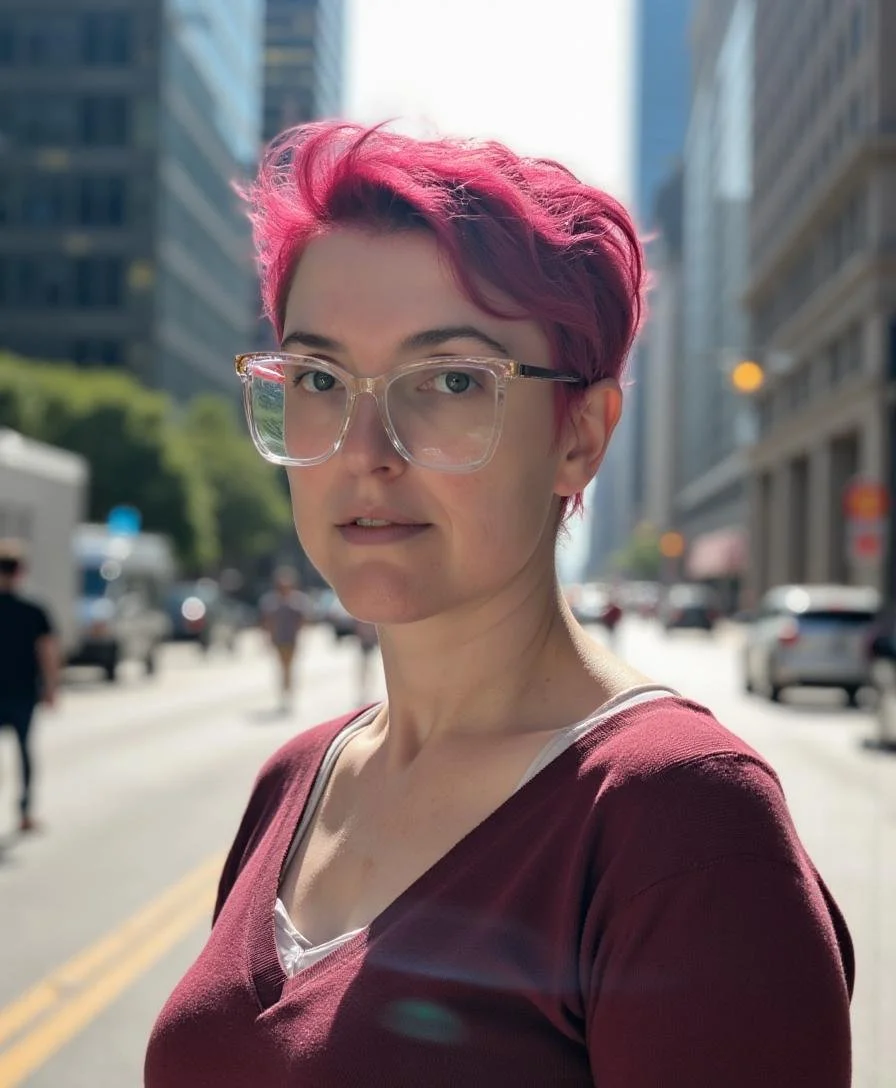
Tandem is a solo advisory practice.
When you work with Tandem, you work with me directly. There's no team behind the scenes, no junior staff doing the diagnostic work while a senior person presents the findings.
The name describes the working model. Tandem means alongside. This isn't advisory from a distance, a framework handed over and left with you to implement. It's working in tandem with you: in your organisation, with your leadership team, diagnosing and building together until what we've built holds on its own.
That model is deliberate. The work I do requires judgement that comes from having seen enough organisations at enough stages to recognise patterns quickly, name the actual constraint clearly, and stay in the room for the hard parts. That doesn't improve through delegation.
Background
I came to HR through an unusual route.
An undergraduate degree in sociocultural anthropology, followed by a postgraduate certificate in HR. The combination turned out to matter more than I expected.
Anthropology trains you to look past stated explanations and find structural causes. To treat an organisation as a system worth understanding rather than a problem to be managed. HR gave me the practitioner toolkit. What it didn't give me, and what I had to build myself, was the quantitative framework to make the invisible visible.
When I entered the profession, I was struck by how intuition-based most of it was. Even where metrics existed, they were rarely used in ways that went far enough. The cost of a bad hire was treated as an abstraction. The hours a hiring manager spent in interviews were never calculated. The downstream cost of a manager promoted beyond their capability didn't appear on a P&L sheet, so it effectively didn't exist as a problem worth solving.
That gap was obvious to me from my first HR coordinator role. I started building the calculations myself: cost per hire, interview cost by role level, retention cost modelled against labour cost savings. It was rudimentary at first. Over nearly two decades it became the methodological foundation everything else is built on.
What That Looks Like in Practice
I've spent my career building and rebuilding people functions in organisations under genuine growth pressure. Early-stage startups. A pre-IPO company through 180% quarterly growth. A national organisation through post-acquisition integration. The work is always the same in its essentials: diagnose where signal is breaking down, rebuild the systems that restore accurate information flow, measure whether it worked.
The results have been measurable. 112% annual revenue growth. A 20% reduction in labour costs. Retention turned from a compounding liability into a competitive advantage. Rigorous people systems didn't get in the way of those outcomes. They're why they happened.
What I Believe
People infrastructure isn't an HR function. It's an operational one.
The decisions that determine whether a company scales or breaks aren't made in board rooms. They're made in hiring conversations, performance reviews, onboarding experiences, and leadership moments that never make it onto a P&L. Those decisions have costs. Most companies aren't tracking them because nobody built the infrastructure to surface them.
That's the problem. Not bad people. Not bad intentions. Missing systems.
AI is making this more urgent, not less. But not because people matter less. Because they matter more. Leaner teams carrying more weight means every people decision lands harder than it used to. A bad hire, a slow vacancy, a leadership gap: the cost of each one compounds faster in an organisation with no slack to absorb it. The organisations that will scale well through what's coming are the ones that treat people infrastructure as the operational priority it actually is, before they need it, not after.
People don't scale. Systems do.
That's what this practice is built around. Taking what lives in founders' heads and making it transferable. Taking what's breaking quietly and making it visible before it becomes expensive. Building the infrastructure that lets organisations grow without the founder being the answer to every people question.
This isn't advisory from a distance. It's working in tandem until what we build holds on its own.
How I Work With You
I'm direct.
If I diagnose the constraint differently than you have, I'll tell you. If the intervention you're considering won't solve the actual problem, I'll say so. If the founder is part of what needs to change, that'll be part of the conversation.
This isn't a style preference. Directness is a functional requirement of the work. Consulting that avoids hard truths doesn't produce durable outcomes.
What I'm not: a traditional HR consultant who spends six weeks diagnosing what you already sense is broken, then delivers a framework document and considers the job done. The work ends when the organisation can carry what we've built on its own, and not before.
Credentials
AI in HR Certificate | Postgraduate Certificate in Human Resources | 2023 The Peak Emerging Leader, People and Culture